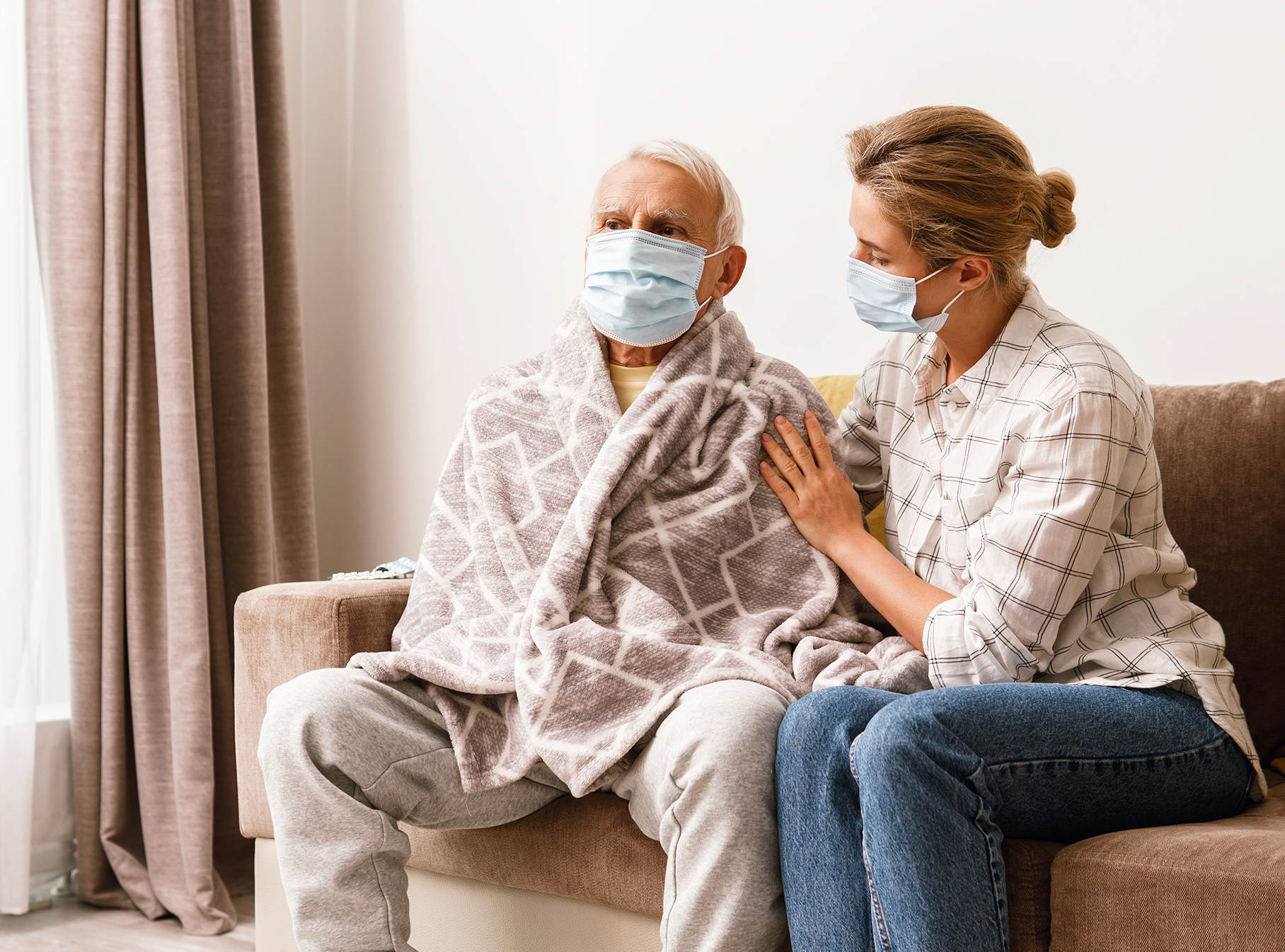
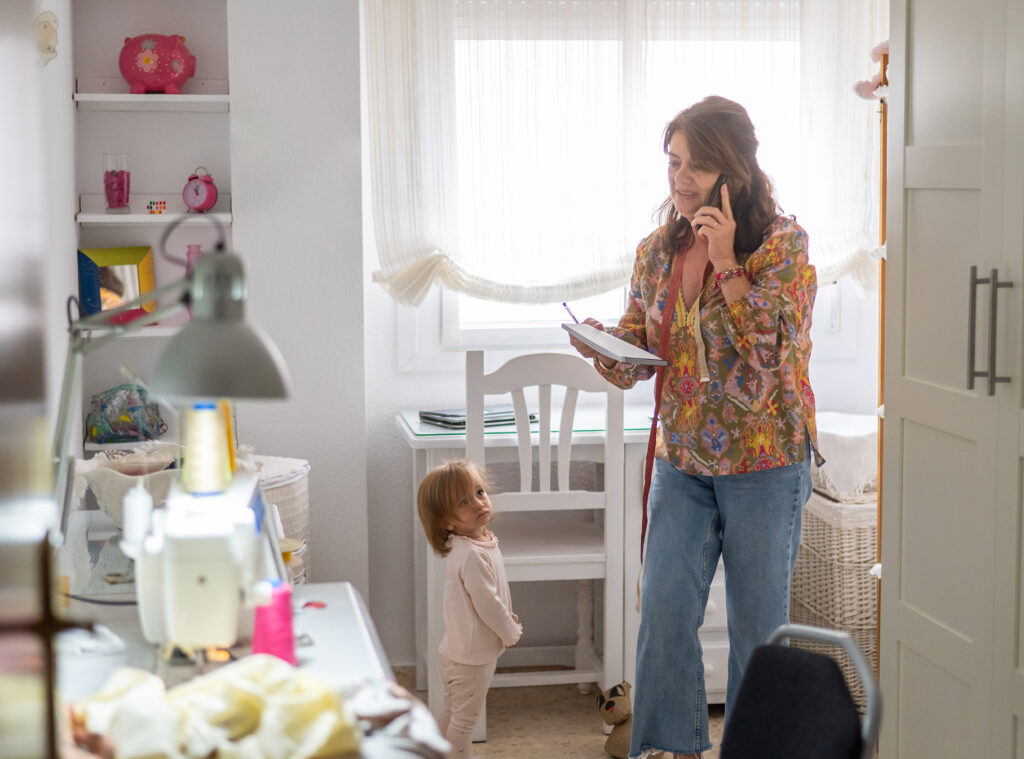
In chronic illness and long-term health conditions, more than 80% of care is provided by family members at home rather than by formal healthcare institutions. Homes increasingly function as invisible care infrastructures, while relatives take on complex caregiving responsibilities with limited training or support.
60%
experience caregiver stress and burnout
Nearly 60% of people caring for a seriously ill or chronically ill family member report high levels of stress, depression, emotional strain, or physical exhaustion. In many cases, the wellbeing of caregivers deteriorates alongside the health challenges of those they support.
%20
preventable hospital readmissions
Approximately 20% of patients who do not receive adequate support and care after hospital discharge are readmitted within the first 30 days for potentially preventable reasons. Continuity of care beyond clinical settings remains a critical factor in recovery and long-term health outcomes.
CURRENT CARE POLICIES
Care Policy Recommendations Tool
At İhtimam, we curate emerging care policy recommendations and translate them into practical guidance for different stakeholders. Select a stakeholder group and thematic area to explore relevant policy recommendations, strategies, and actions from Türkiye and around the world.
The Care Radar tracks emerging developments, weak signals, and evolving conversations across the care landscape. It is designed to help us understand how care is changing and to explore these shifts through an ethical and systems-oriented lens.
The Normalization of Home-Based Care
Growing pressure on healthcare systems and rising costs are shifting a significant share of patient care into the home. While home care services are expanding, much of the actual caregiving work continues to be carried out by family members. The boundary between professional care and unpaid family care is becoming increasingly blurred.
The Visibility of Caregiver Burnout
Research is drawing greater attention to the physical, emotional, and psychological toll of long-term caregiving. Caregiver wellbeing is increasingly being recognized as a public health issue rather than a private challenge, though support systems remain limited.
The Growing Coordination Burden of Digital Health
Telehealth services, remote monitoring systems, and health applications are making care more accessible and connected. At the same time, appointment management, data tracking, and system navigation often fall to caregivers. Digitalization is reshaping rather than reducing care work.
Long Term Care Journeys Through Chronic Illness
The rise of dementia, cancer, and other chronic conditions is transforming patient care from a short-term response into a long-term reality. Care increasingly becomes part of everyday life over many years, while social protection systems and workplace policies struggle to adapt.
The Convergence of Medical and Social Care
Patient care extends far beyond clinical treatment. Nutrition, hygiene, emotional support, transportation, and daily coordination are all essential elements of care. Yet health and social care systems often remain fragmented, leaving families responsible for bridging the gaps.
The Growth of Migrant Care Work
Migrant women are playing an increasingly important role in paid patient care and home care services. While this helps address care shortages, it also raises questions about labor rights, precarity, and inequalities embedded within global care chains.
Recognizing Emotional Care Work
Providing reassurance, managing uncertainty, offering hope, and supporting emotional wellbeing are becoming more visible aspects of caregiving. Despite their importance, these forms of emotional labor remain largely unmeasured and insufficiently supported.
Growing Demand for Respite Care
Demand is increasing for temporary care services that allow caregivers to rest, recover, and attend to their own wellbeing. The idea that caregivers themselves require care and support is gaining greater recognition within policy and practice discussions.
The Rise of Home-Based Clinical Skills
Family caregivers are increasingly expected to perform complex medical tasks, including medication management, injections, device monitoring, and symptom observation. This trend is moving caregivers closer to semi-professional roles without always providing adequate training, legal protection, or support.
Care During Crises
Natural disasters, pandemics, and economic disruptions place significant strain on care systems. As formal support structures become overstretched, caregiving responsibilities often shift further into households, exposing the vulnerability of existing care infrastructures.