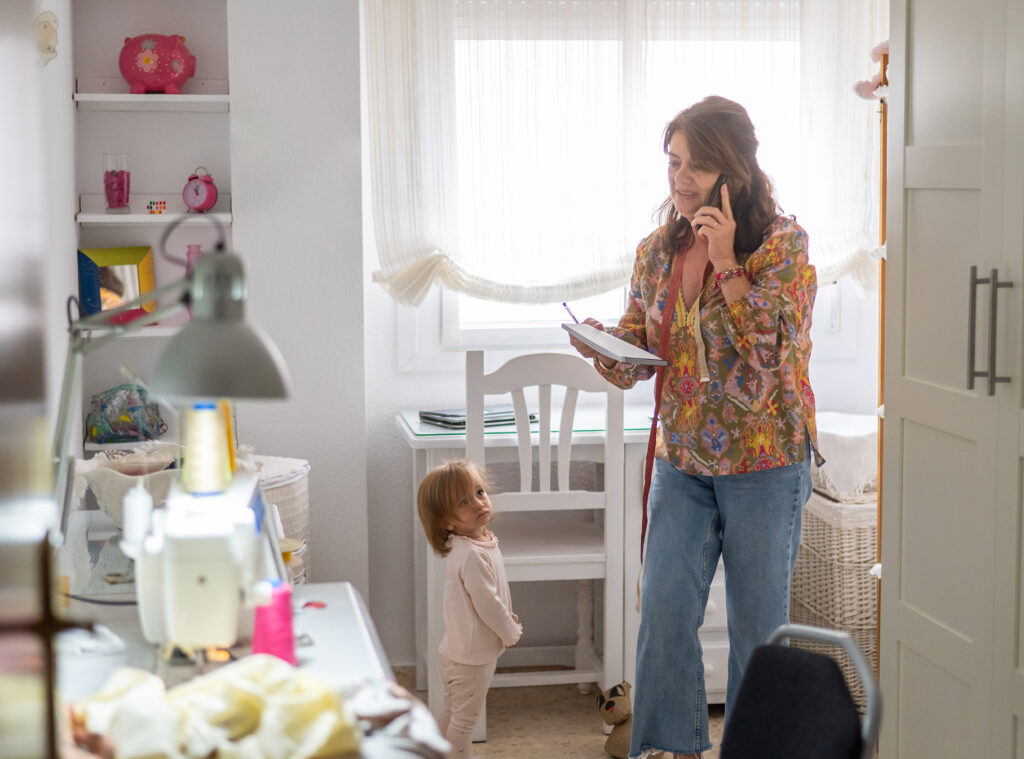
Caregivers are individuals who provide regular physical, emotional, cognitive, or practical support to people who require assistance due to age, illness, disability, or other circumstances. Throughout life, most people experience both receiving and providing care at different stages. For some, however, caregiving becomes a long-term and intensive responsibility. Often family members or people within a close support network, caregivers are the largely invisible backbone of care systems. Despite their essential contribution to individual wellbeing and social sustainability, they frequently remain underrecognized and inadequately supported.
CURRENT STATISTICS
7%
CHILDREN AND YOUNG PEOPLE
Avrupa’da çocuk ve gençlerin yaklaşık %7’si düzenli bakım sorumluluğu üstleniyor. Araştırmalar, genç bakımverenlerin eğitimden kopma, ruh sağlığı sorunları ve sosyal izolasyon riskiyle daha sık karşılaştığını gösteriyor.
70%
WORKING CAREGIVERS
Çalışan bakımverenlerin yaklaşık %70’i, bakım sorumluluklarının iş yaşamlarını olumsuz etkilediğini belirtiyor. Bakım sorumlulukları; işe devamsızlık, kariyer fırsatlarının kaçırılması ve tükenmişlik riskini artırıyor.
606
MILLION WOMEN
Approximately 606 million women worldwide are unable to participate in the labour force because of unpaid caregiving responsibilities. Intensive caregiving responsibilities continue to limit women’s economic participation and engagement in public life.
CURRENT CARE POLICIES
Care Policy Recommendations Tool
At İhtimam, we curate emerging care policy recommendations and translate them into practical guidance for different stakeholders. Select a stakeholder group and thematic area to explore relevant policy recommendations, strategies, and actions from Türkiye and around the world.
The Care Radar tracks emerging developments, weak signals, and evolving conversations across the care landscape. It is designed to help us understand how care is changing and to explore these shifts through an ethical and systems-oriented lens.
Young Caregivers Becoming More Visible
Situations in which children and young people take on regular caregiving responsibilities within their families are receiving increasing attention in research, data collection, and public policy. Efforts to identify young caregivers early and support their educational participation are expanding.
Formal Recognition of Family Caregivers
Caregiving, long regarded as a private family responsibility, is increasingly being recognized as a distinct category within health and social policy systems. New mechanisms for identifying, registering, and supporting family caregivers are becoming more common.
The Growth of the Sandwich Generation
As populations age and childcare responsibilities extend over longer periods, growing numbers of people are caring simultaneously for both children and older parents. The pressures this places on time, income, and wellbeing are becoming increasingly visible.
Recognizing Sibling Caregivers
The often-overlooked responsibilities carried by siblings of people with disabilities or chronic illnesses are receiving greater research attention. Psychosocial support and transition planning for sibling caregivers are beginning to emerge as policy priorities.
Parent Caregiving as a Lifelong Role
For many parents of children with disabilities or high support needs, caregiving extends far beyond childhood and becomes a lifelong responsibility. As a result, discussions around long-term support models are gaining momentum.
The Rise of Older Caregivers
A significant number of older adults provide care for spouses, siblings, or other ageing family members. The growing population of older caregivers presents new challenges for the sustainability of care systems.
Increasing Visibility of Male Caregivers
As more men take on caregiving responsibilities, their experiences, needs, and care practices are attracting greater attention from researchers and policymakers. Male caregiving is becoming a more visible area of inquiry and intervention.
Expanding Workplace Support for Caregivers
Employers are increasingly introducing caregiver leave, flexible work arrangements, caregiver assistance programs, and other workplace policies to support employees with caregiving responsibilities. Balancing work and care is becoming a key organizational concern.
Recognizing the Complex Care Roles of Migrant Caregivers
Many migrants provide paid care while simultaneously caring for family members across countries and households. These overlapping care responsibilities are generating new discussions around social protection, labour rights, and transnational care.
Strengthening Caregiver Rights
Caregivers are increasingly recognized not only as individuals in need of support but also as rights holders. Access to rest, income security, leave entitlements, training, healthcare, and social protection is becoming a more prominent part of care policy discussions. Caregiver rights are gradually being recognized as a core component of sustainable care systems.