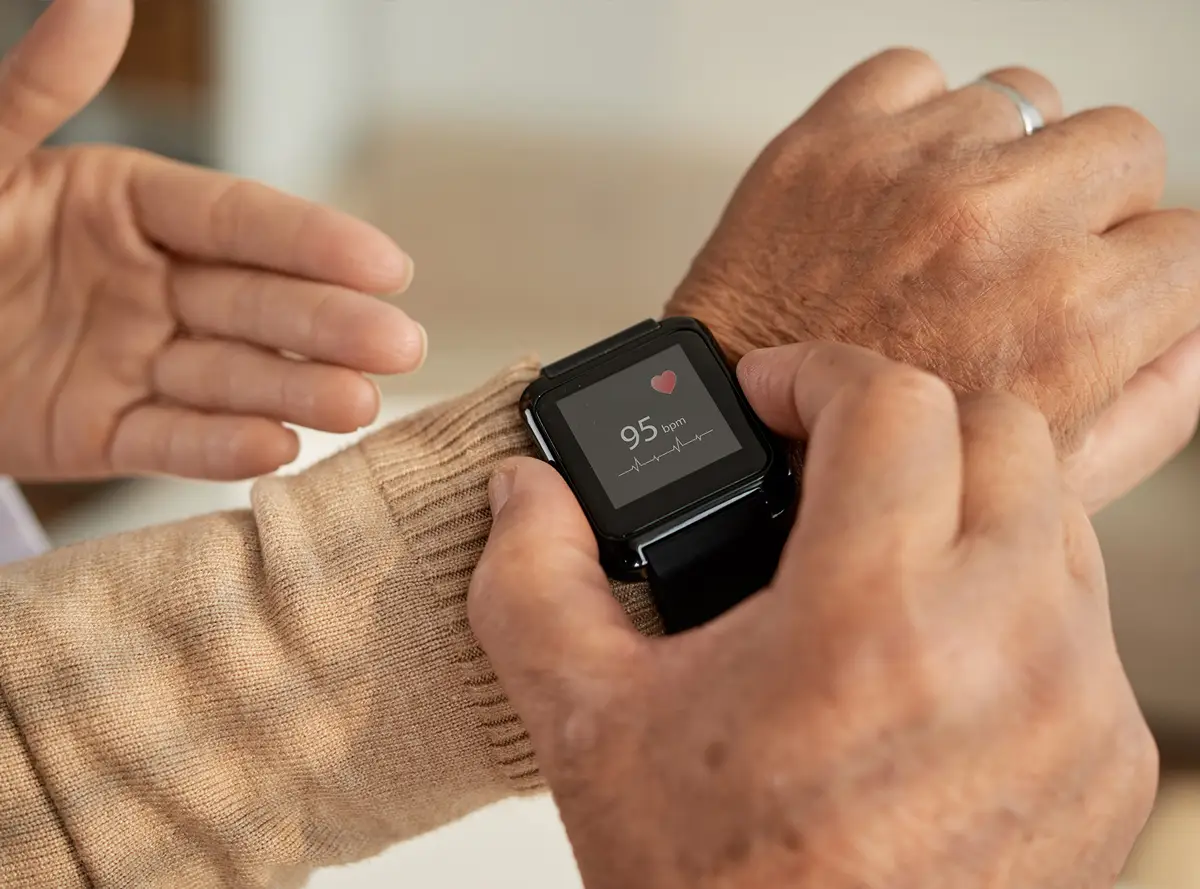
Care technologies refer to the digital and technological systems that shape how care is provided, coordinated, and experienced. From telehealth applications and smart care devices to data infrastructures and algorithmic decision-making systems, technology is increasingly transforming care relationships. This transformation is not only about efficiency; it also raises important questions about privacy, equity, access, and the quality of care. At the heart of this field are debates about whether technology reduces care burdens, creates new inequalities, or reshapes the human relationships that care depends on.
CURRENT STATISTICS
65+
POPULATION
By 2050, the global population aged 65 and over is expected to double, reaching approximately 1.6 billion people. This demographic shift is rapidly increasing demand for care technologies.
187
BILLION
The global AI in healthcare market is projected to exceed $187 billion by 2030. Care services and support systems are expected to be a major part of this transformation.
2.6
BILLION PEOPLE
Approximately 2.6 billion people worldwide still lack internet access. This creates significant inequalities in access to digital care services and technologies.
CURRENT CARE POLICIES
Care Policy Recommendations Tool
At İhtimam, we curate emerging care policy recommendations and translate them into practical guidance for different stakeholders. Select a stakeholder group and thematic area to explore relevant policy recommendations, strategies, and actions from Türkiye and around the world.
The Care Radar tracks emerging developments, weak signals, and evolving conversations across the care landscape. It is designed to help us understand how care is changing and to explore these shifts through an ethical and systems-oriented lens.
The Expansion of Remote Health and Monitoring Systems
Telehealth services, home sensors, and wearable devices are becoming increasingly common in eldercare and patient support. While access improves, the responsibility for monitoring data and coordinating care often shifts to caregivers.
Support or Surveillance?
AI-powered care systems can anticipate needs, match services, and support care planning. While these tools may reduce coordination burdens, they also enable greater standardization and monitoring of care. As efficiency increases, the relational, intuitive, and human dimensions of care can become less visible. An ongoing question remains: is technology supporting care, or becoming part of its control infrastructure?
Smart Home Care Ecosystems
Sensor technologies that monitor movement, falls, and daily routines are increasingly used to enhance safety and independent living. At the same time, concerns around privacy, data security, and continuous monitoring are growing.
AI-Assisted Care Planning
AI tools are being developed to help manage appointments, medications, and care schedules. These systems can reduce organizational burdens, but questions remain about algorithmic errors, accountability, and decision-making responsibility.
Social Robots and Digital Companionship
Social robots and conversational AI systems are being tested to reduce loneliness and provide cognitive support. While they can offer assistance and companionship, their ability to replace meaningful human relationships remains widely debated.
The Growth of Care Platforms
Childcare, eldercare, and home care services are increasingly organized through digital platforms. While access becomes easier, concerns around precarity, commission-based models, and the marketization of care continue to grow.
Digital Care Coordination Tools
Applications for care scheduling, task sharing, and family coordination are becoming more common. Although they promise to reduce mental load, responsibility for managing these systems often remains concentrated in the same hands.
Rehabilitation and Remote Therapy Technologies
Home-based physiotherapy and cognitive exercise platforms are expanding access to rehabilitation services. However, they also require digital literacy, technical skills, and reliable access to technology.
The Datafication of Care
Health and care data are becoming increasingly valuable assets for insurers, technology companies, and digital platforms. Questions around data ownership, consent, and the rights of care recipients and caregivers are gaining importance.
Advancements in Accessible Design
Smart home systems, voice-controlled technologies, and accessible digital interfaces are improving independence for many disabled people. Yet unequal access to technology and affordability barriers continue to limit who can benefit from these innovations.