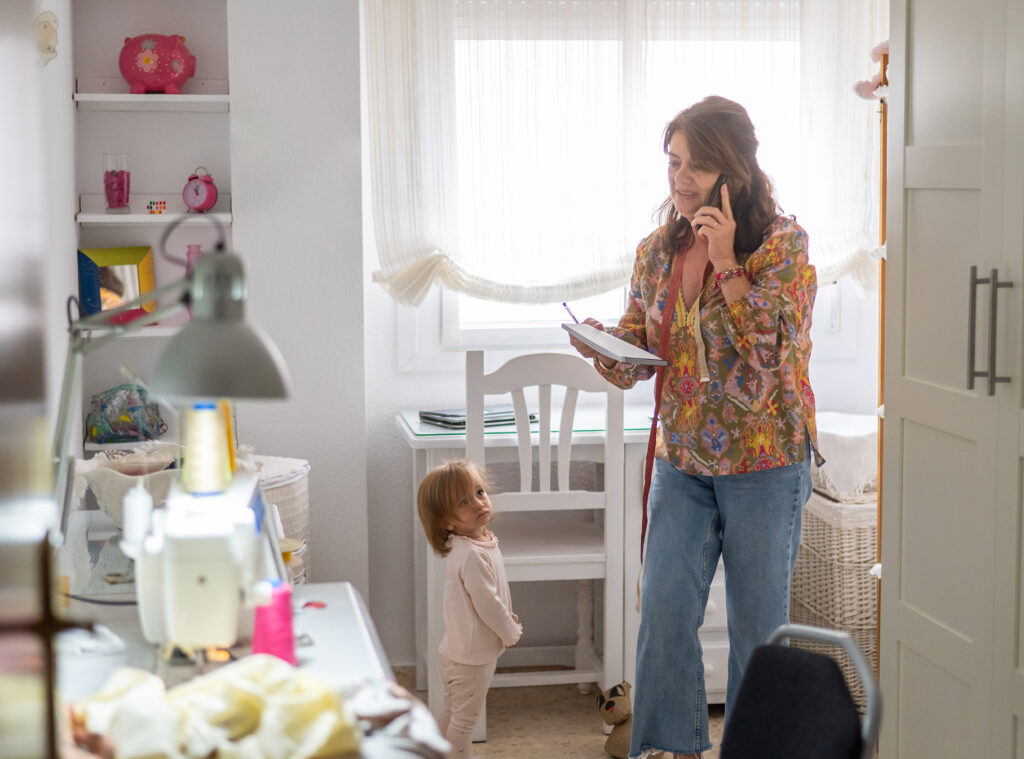
Care architecture is the field that explores how care is shaped through space, design, and the built environment. The design of homes, public spaces, neighborhoods, care facilities, and cities directly influences care relationships, accessibility, inclusion, and participation. Care architecture understands space not simply as a physical setting, but as an active condition that shapes how care is experienced, shared, organized, and sustained. By examining the relationship between care and the built environment, it seeks to create spaces that support interdependence, dignity, wellbeing, and collective life.
CURRENT STATISTICS
68%
URBAN POPULATION
By 2050, an estimated 68% of the world’s population will live in urban areas. The design of cities, neighborhoods, and public spaces will play an increasingly important role in shaping access to care and social participation.
40%
AGING-READY HOMES
Only about 40% of homes in the United States include basic accessibility features that support ageing in place, such as step-free entryways and a bedroom and bathroom on the ground floor.
400
MILLION
More than 400 million people already live in cities and communities participating in age-friendly initiatives designed to improve accessibility, inclusion, mobility, and wellbeing across the life course.
CURRENT CARE POLICIES
Care Policy Recommendations Tool
At İhtimam, we curate emerging care policy recommendations and translate them into practical guidance for different stakeholders. Select a stakeholder group and thematic area to explore relevant policy recommendations, strategies, and actions from Türkiye and around the world.
The Care Radar tracks emerging developments, weak signals, and evolving conversations across the care landscape. It is designed to help us understand how care is changing and to explore these shifts through an ethical and systems-oriented lens.
Care-Friendly Homes
As populations age and more care is provided at home, housing is increasingly being designed not only for living but also for caregiving. Flexible layouts, accessible bathrooms, smart support technologies, and multigenerational living arrangements are becoming more common in residential design.
Neighborhood Care Infrastructure
Care is increasingly understood as something supported not only within households but also through walkable neighborhoods, shared community spaces, and locally accessible services. Approaches such as the “15-minute city,” which integrates childcare, elder services, healthcare, and public spaces, are strengthening care-centered urban planning.
From Institutions to Living Environments
Long-term care and rehabilitation facilities are moving away from large institutional models toward smaller, more home-like environments that support social connection and everyday life. Belonging, dignity, and quality of life are becoming central design principles in care settings.
Trauma-Informed Design
Spaces designed for people affected by disasters, displacement, violence, and health crises increasingly prioritize safety, privacy, and psychological wellbeing. Architecture is becoming recognized as an important part of healing and recovery.
Designing for Caregivers
Care architecture is beginning to address not only the needs of care recipients but also those of caregivers. Family lounges, caregiver rooms, respite spaces, and supportive environments are becoming more visible features in hospitals and care facilities.
Nature-Based Healing Environments
Therapeutic gardens, green courtyards, urban farms, and care settings that foster connection with nature are increasingly recognized as essential components of care infrastructure. Broader understandings of care that include ecological relationships are beginning to shape architectural practice.
The Rise of Care Ethics in Architecture
Architects and urban planners are increasingly considering vulnerability, interdependence, social equity, and care relationships alongside aesthetics and functionality. Care is emerging as a new design paradigm that is reshaping discussions about the built environment.