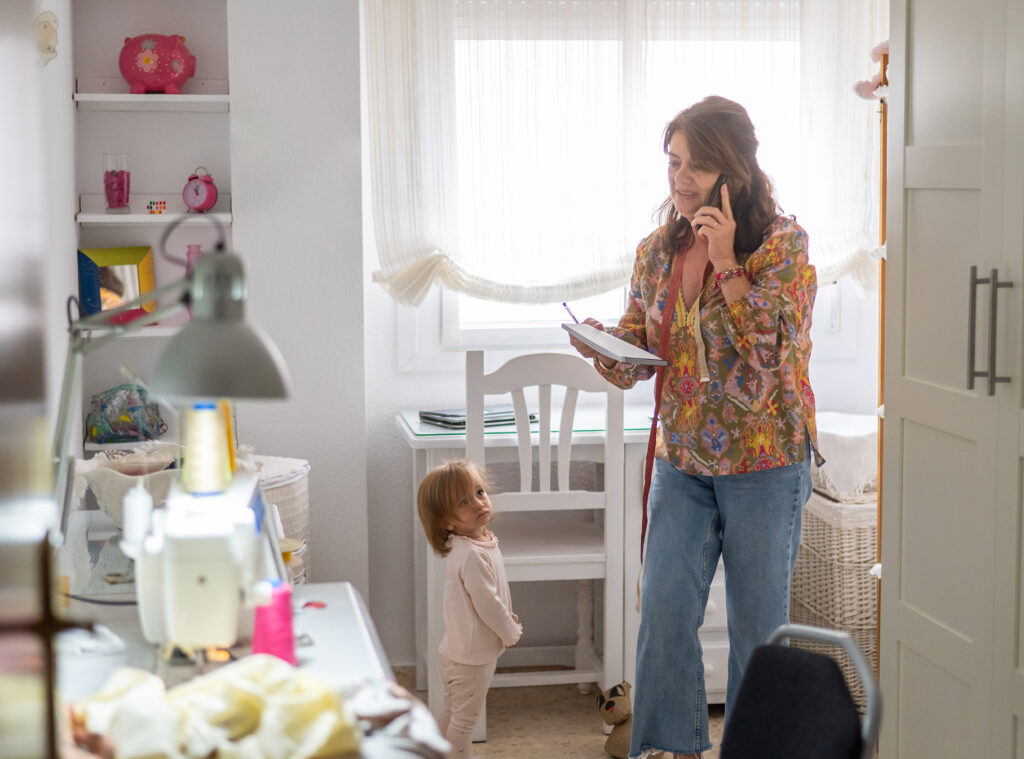
More than 350 million children worldwide lack access to affordable childcare.
x3
MORE TIME
Globally, women spend an average of three times more time on unpaid care and domestic work than men. This gap directly limits opportunities for paid employment, career advancement, rest, and wellbeing.
13%
ANNUAL ROI
Every $1 invested in quality early childhood care and education can generate an estimated 13% annual return through improved health outcomes, higher productivity, better educational attainment, and reduced social costs.
CURRENT CARE POLICIES
Care Policy Recommendations Tool
At İhtimam, we curate emerging care policy recommendations and translate them into practical guidance for different stakeholders. Select a stakeholder group and thematic area to explore relevant policy recommendations, strategies, and actions from Türkiye and around the world.
The Care Radar tracks emerging developments, weak signals, and evolving conversations across the care landscape. It is designed to help us understand how care is changing and to explore these shifts through an ethical and systems-oriented lens.
Naming Anxiety Work
In childcare, attention is increasingly being drawn not only to physical caregiving tasks but also to the constant vigilance, anticipation, and risk management involved in caring for children. The continuous mental effort behind the question “What if something happens?” is becoming more visible. Although this dimension remains difficult to measure, it is appearing more frequently in care discussions.
Questioning the Default Parent Norm
The parent who receives school messages, responds when a child is sick, and manages the invisible coordination of family life is becoming a topic of more explicit discussion. As these responsibilities continue to fall disproportionately along gender lines, attention is shifting from task division alone toward questions of who carries the mental and organizational burden of care.
The State of Constant Readiness
Childcare extends far beyond designated hours. It requires ongoing planning, monitoring, emotional regulation, and responsiveness. This continuous attentiveness is rarely captured in time-use statistics, yet the mental load associated with care is receiving growing recognition
Digital Parenting Responsibilities
School apps, messaging groups, appointment systems, and digital platforms have transformed how childcare is coordinated. While these tools can improve communication and access to information, they often add new layers of monitoring, administration, and organizational work for parents.
Care Outsourcing and Inequality
Among middle- and higher-income households, childcare is increasingly outsourced through paid care work. While this may reduce pressure for some families, it often shifts care responsibilities onto other women, leaving broader questions of labor precarity and social inequality unresolved.
The Visibility of Public Care Gaps
Significant inequalities remain in access to childcare centers and early childhood services. These gaps disproportionately affect low-income families. Although local initiatives are emerging, comprehensive and sustainable public care systems remain limited.
Intergenerational Care Models
New models that bring together childcare and eldercare settings are being tested in some places. These initiatives seek to strengthen social connection across generations while creating opportunities for shared care arrangements. Most remain small-scale and experimental.
Expanding Parental Leave Policies
Several countries are extending paid parental leave and encouraging greater participation by fathers. These policies may support a more equitable distribution of care responsibilities, though cultural expectations and workplace norms continue to shape their uptake.
Children’s Digital Rights
Questions surrounding children’s digital footprints, online privacy, and parental sharing of children’s data are gaining attention. Protecting children’s future digital identities is emerging as a new dimension of care responsibility and an area of ongoing policy and ethical debate.